About
Staying sharp is the point.
AI arrived fast. The conversation about what it does to the people using it didn’t. Suon exists to close that gap. With practices, awareness, and community that keep your thinking sharp while you work with AI.
Our Conviction
You are more than your productivity
You have capacities that matter. Not because they’re efficient, but because they’re yours. The way you think. The way you create. The way you feel, struggle, notice, wonder. The slow accumulation of mastery. The quiet voice that knows things before you can explain them. These capacities don’t just help you work. They make you you.
AI is the most powerful tool most of us have ever touched. It can extend your reach, accelerate your learning, unlock possibilities you couldn’t access alone. But used unconsciously, it erodes. It answers before you’ve thought. Creates before you’ve struggled. Fills the silence before your own voice emerges.
The risk isn’t dramatic. It’s gradual. You outsource a little here, skip a struggle there. Each step feels fine. But over time, something atrophies. And the hardest part: you may not notice it happening.
What we believe
- Judgment over fluency. Knowing when not to use AI is more valuable than knowing every shortcut.
- Practice over theory. Real capability comes from doing, not from reading about doing.
- People over tools. The best insights still come from human exchange. AI can’t replicate peer sharpening.
- Evidence over satisfaction. We measure capacity change, not whether people “liked the workshop.”
Why “suon”?
A Suone (German) or Bisse (French) is an ancient Alpine waterway in the canton of Wallis, Switzerland. For centuries, these engineered channels carried spring water through mountain terrain. Quietly, reliably, serving entire communities.
No one noticed them when they worked. Everyone noticed when they didn’t.
That felt like the right metaphor for what good judgment does in an age of AI.
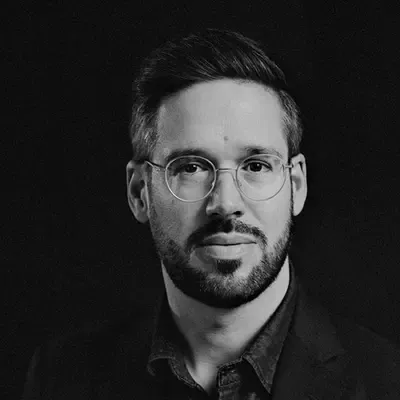
Founder
Aurel Hosennen
Aurel has spent his career at the intersection of technology, communication, and how organizations actually change. His interest in AI started at the University of Zurich, back when it was still an academic curiosity. He went on to work at Microsoft, IKEA, and with institutions like the United Nations.
The thread through all of it was always language. How it moves people. How it shapes decisions. How it changes what organizations believe is possible. Then AI arrived, and language became its most powerful capability.
Get in touch
Questions?
Whether you want to discuss consulting, have a question about the writing, or just want to say hello.